
Common Duplex Investment Mistakes NSW Builders and Buyers Should Avoid
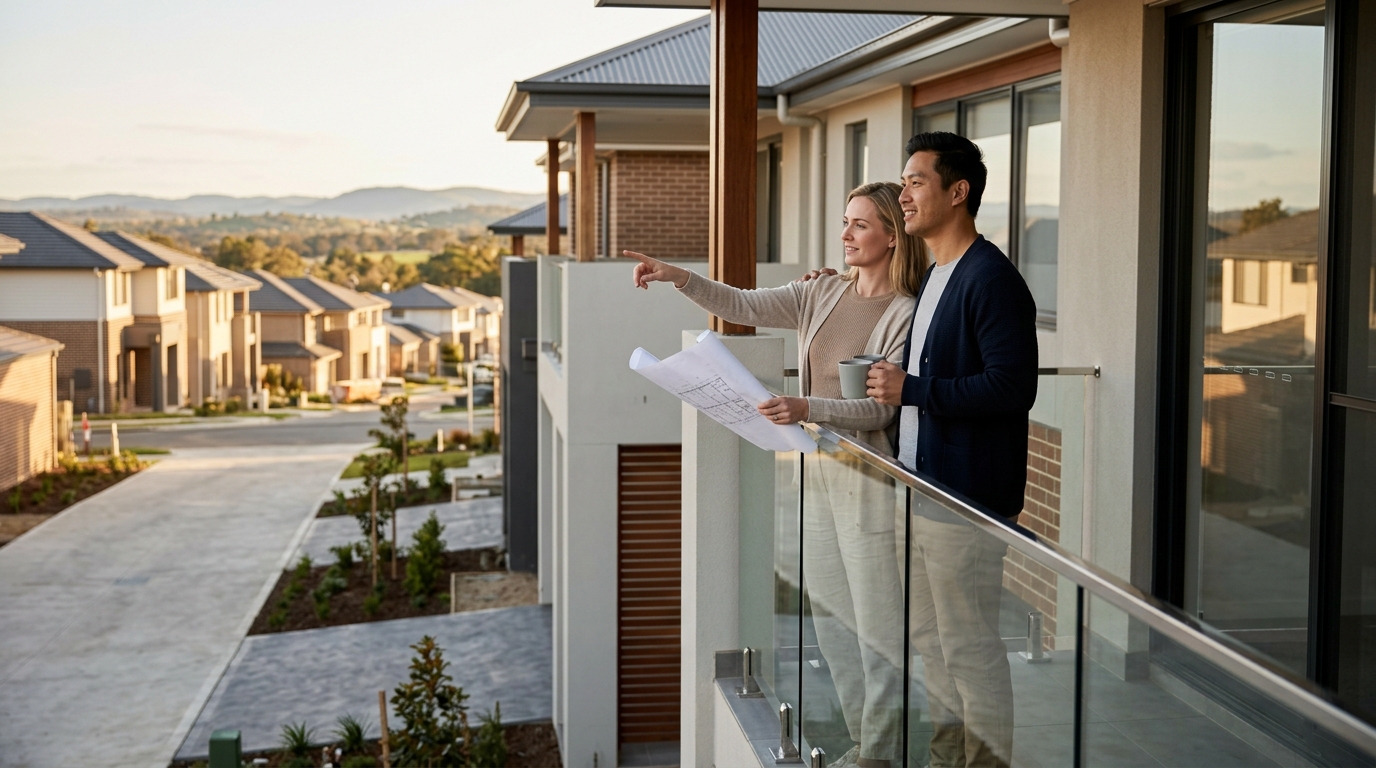
Investing in a duplex in New South Wales offers a compelling pathway to wealth generation through dual rental income streams and accelerated equity growth. However, the complexity of dual-dwelling construction introduces significant financial and structural risks that many first-time investors overlook. According to recent housing market data, duplexes in high-growth corridors like Western Sydney and the Central Coast have seen substantial capital appreciation, yet investor returns are frequently eroded by poor planning and construction errors. This guide outlines the critical pitfalls to avoid, ensuring your investment delivers long-term stability and profitability. (Contact Allcastle Homes Sydney)
Understanding the Duplex Investment Model
A duplex is defined as a single building structure that contains two separate, self-contained residential units. This architectural configuration allows investors to maximize land utility by generating two rental incomes from one title. The appeal lies in the ability to offset mortgage costs with rental revenue from one unit while living in the other, or renting out both for pure cash flow.
However, the success of this model depends heavily on strategic location selection and structural integrity. Investors often mistake any block of land for a viable duplex site. In reality, only specific zoning classifications and lot dimensions permit dual occupancy. Understanding the difference between a duplex design and a semi-detached home is crucial for accurate financial modeling.
The NSW property market has seen a surge in demand for medium-density housing due to affordability pressures in the broader market. This trend has increased the value of well-located duplexes, but it has also attracted inexperienced investors who fail to account for construction complexities. A masterfully built duplex requires precise engineering to ensure both units remain structurally sound and aesthetically pleasing over decades of use.
Financial Pitfalls in Dual-Dwelling Construction
One of the most common mistakes is underestimating the total cost of construction. Duplexes often require more complex foundations and roofing structures than single homes, leading to higher material and labor costs. Investors must budget for these additional expenses to avoid cash flow crises during the build phase.
Another critical financial error is failing to secure appropriate financing. Standard home loans may not cover duplex construction, requiring specialized investment loans or construction-to-permanent financing. Lenders often assess the rental income of the duplex to determine borrowing capacity, but they may only count a portion of the projected rent. This discrepancy can leave investors short of funds when the build is complete.
Overcapitalization is also a significant risk. Spending excessively on high-end finishes in a mid-range suburb can reduce the return on investment by making the property uncompetitive in the rental market. It is essential to align the quality of finishes with the local rental yield expectations. For instance, a house and land package tailored to the local demographic often yields better returns than a luxury build in a modest area.
Investors must also consider the impact of interest rate fluctuations on their cash flow. With average weekly earnings in NSW growing at a moderate pace, rental growth may not always outpace mortgage interest increases. Stress testing your financial model against higher interest rates is a vital step in mitigating this risk.
Design and Planning Errors to Avoid
Poor design choices can severely impact the livability and rental appeal of a duplex. A frequent mistake is creating units that are too similar, leading to internal competition where tenants choose one unit over the other based on minor preferences. Designing distinct layouts, such as a double-storey unit paired with a single-storey granny flat, can cater to different tenant demographics and maximize rental demand.
Narrow block designs require careful planning to ensure adequate natural light and ventilation for both units. Without proper orientation, one unit may become dark and damp, reducing its rental value and increasing maintenance costs. Allcastle Homes specializes in narrow block designs that optimize space and light, ensuring both units remain desirable.
Another design error is neglecting privacy. Shared walls, driveways, and gardens can lead to disputes between tenants if not properly managed. Incorporating soundproofing materials and clear boundary definitions in the design phase can prevent these issues. The homes with attached granny flats collection demonstrates how thoughtful design can enhance privacy while maintaining a cohesive aesthetic.
Investors often overlook the importance of storage and parking. In dense urban areas, the lack of secure parking can make a duplex unattractive to families. Ensuring each unit has dedicated parking and ample storage space is essential for long-term rental success.
Choosing the Right Builder for Duplex Projects
Selecting an experienced builder is perhaps the most critical decision in a duplex investment. Many investors choose the cheapest quote without considering the builder's track record with dual-dwelling projects. Duplex construction requires specialized knowledge in structural engineering, party wall agreements, and simultaneous construction logistics.
Allcastle Homes has been building high-quality family homes throughout Sydney and the South Coast for nearly 30 years. This extensive experience ensures that builders understand the nuances of duplex construction, from foundation requirements to roofing complexities. Working with a builder who offers an Infinity Selection Centre allows investors to customize finishes and ensure quality control throughout the build process.
Another common mistake is failing to verify the builder's financial stability. If the builder encounters financial difficulties during the build, the project may stall, leading to significant delays and additional costs. Checking the builder's references and past projects is essential to mitigate this risk.
Transparency in pricing is also crucial. Some builders may provide low initial quotes but add numerous variations during construction, inflating the final cost. A fixed-price contract, such as the Fixed Price 7-Star Home Offer, provides certainty and protects investors from unexpected cost overruns.
Navigating NSW Regulatory Compliance
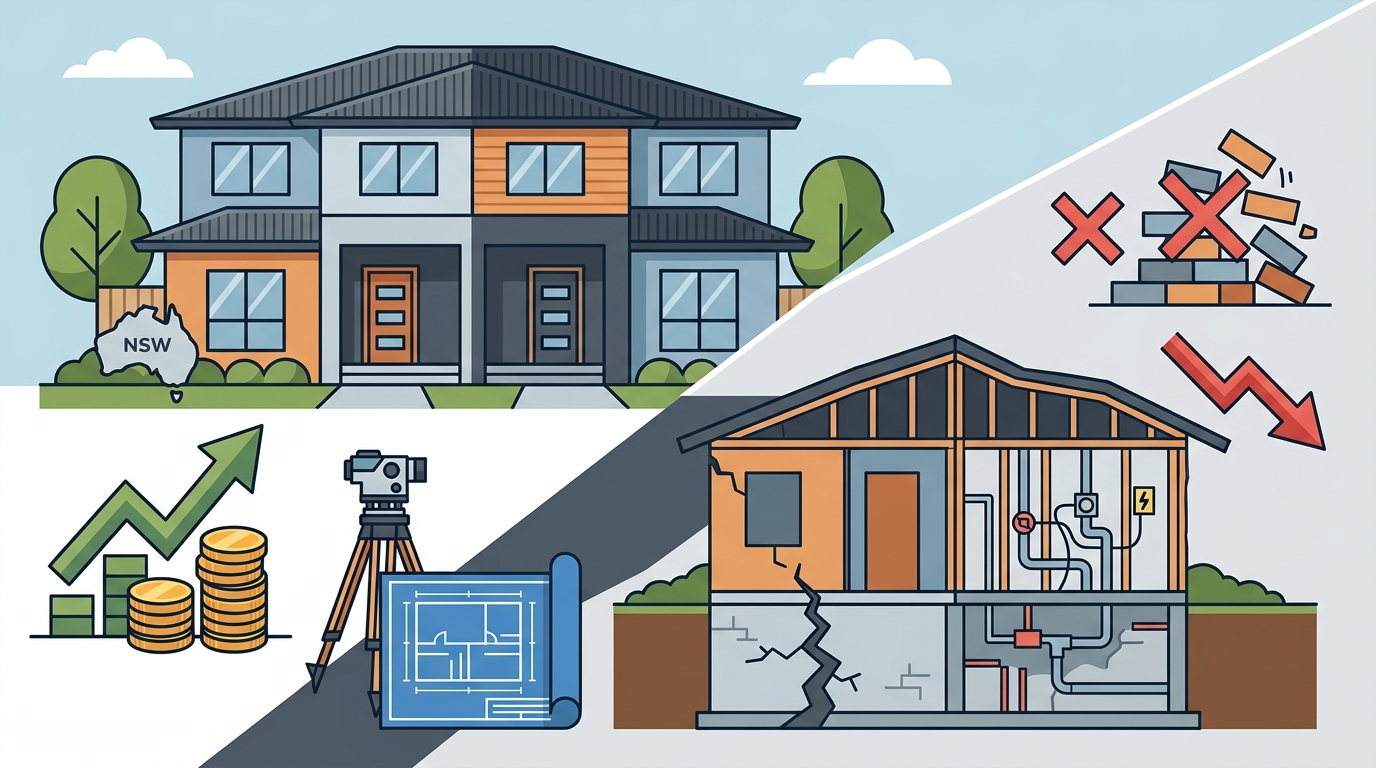
NSW has strict planning regulations governing dual occupancy developments. Investors must navigate local council zoning laws, development applications (DAs), and construction certificates. Failing to comply with these regulations can result in fines, project delays, or even the demolition of non-compliant structures.
One common mistake is assuming that a duplex is automatically permissible in a given zone. Many residential zones have specific height, setback, and floor space ratio requirements that must be met. Engaging a town planner early in the process can help identify potential compliance issues and streamline the approval process.
Another regulatory hurdle is the BASIX (Building Sustainability Index) requirements. NSW mandates that all new homes meet specific energy efficiency standards. Duplexes must be designed to minimize energy consumption through insulation, glazing, and water-saving fixtures. Non-compliance can delay the issuance of a construction certificate.
Investors must also consider strata title regulations if the duplex is to be sold as two separate titles. Understanding the implications of strata management, including body corporate fees and shared maintenance responsibilities, is essential for long-term investment viability.
Key Takeaways
- Duplexes offer dual rental income but require specialized financing and construction expertise.
- Underestimating construction costs is a primary financial pitfall; always budget for complex foundations and roofing.
- Design distinct units to avoid internal competition and cater to diverse tenant demographics.
- Choose a builder with extensive experience in dual-dwelling projects, such as Allcastle Homes, with nearly 30 years of industry presence.
- Navigate NSW planning regulations and BASIX requirements early to avoid compliance delays.
- Fixed-price contracts provide financial certainty and protect against cost overruns.
- Strata title regulations must be understood if planning to sell the duplex as two separate titles.
Frequently Asked Questions
What is the average cost to build a duplex in NSW?
The cost varies significantly based on location, design complexity, and finishes. However, investors should expect higher per-square-meter costs compared to single homes due to structural requirements. Consulting with a builder for a detailed quote is essential for accurate budgeting.
Can I live in one half of my duplex while renting the other?
Yes, this is a common strategy known as house hacking. It allows you to offset your mortgage with rental income. However, you must ensure that the duplex design provides adequate privacy and separation between the owner-occupied and rental units.
What are the zoning requirements for building a duplex in NSW?
Zoning requirements depend on the local council's Local Environmental Plan (LEP). Generally, duplexes are permitted in R2 Low Density Residential zones, but specific height, setback, and lot size requirements must be met. A development application is typically required.
How does a duplex differ from a semi-detached home?
A duplex is a single structure containing two separate dwellings, often sharing a central party wall. A semi-detached home consists of two separate structures built side-by-side, each on its own title. The construction and financing processes differ significantly between the two.
What is the Infinity Selection Centre?
The Infinity Selection Centre is a specialized facility where clients can view and choose from a wide range of products, finishes, and fixtures for their new home. This ensures a personalized build process and helps maintain quality control throughout construction.
Are there tax benefits to investing in a duplex?
Yes, investors can claim deductions on depreciation, interest, and maintenance costs. Additionally, capital gains tax concessions may apply if the property is held for a significant period. Consulting with a tax advisor is recommended to maximize benefits.
How long does it take to build a duplex?
The construction timeline typically ranges from 12 to 18 months, including the approval process. Delays can occur due to weather, supply chain issues, or regulatory changes. Working with an experienced builder can help mitigate these risks.
Start Your Duplex Investment Journey
Avoiding these common mistakes requires careful planning, expert guidance, and a trusted builder. Allcastle Homes offers a comprehensive range of duplex designs tailored to maximize investment returns and livability. Visit our display homes to experience our quality firsthand and speak with our experts about your investment goals. Contact us today to explore how we can help you build a profitable and enduring duplex investment in NSW.