

Duplex investments have emerged as a cornerstone strategy for Australian property investors seeking to balance cash flow with long-term capital growth. According to recent market analysis, multi-dwelling properties in high-growth corridors like Western Sydney and the Central Coast are outperforming traditional single-family homes in terms of rental yield. This shift is driven by rising construction costs and a growing demand for affordable housing options. Understanding the specific financial metrics that drive duplex profitability is essential for making informed decisions. This guide explores the critical data points you must analyze before committing capital to a duplex project. (Contact Allcastle Homes Sydney)
Understanding the Duplex Investment Model
A duplex is a residential building that contains two separate living units, each with its own entrance, kitchen, and facilities. This structure allows investors to generate dual rental income from a single land parcel. The primary advantage of this model is land ownership. In markets like Sydney, where land prices are prohibitive for many buyers, owning 100% of the land beneath two dwellings accelerates equity growth compared to strata-titled apartments. (New Home Builders in)
The duplex model also offers unique risk mitigation. If one tenant vacates, the investor still retains 50% of the rental income, whereas a single-family home yields zero income during vacancy. This financial buffer is critical for maintaining mortgage repayments during market fluctuations. Furthermore, duplexes often appeal to families or investors looking to maximize the utility of narrow or wide blocks, making them a versatile asset class.
Allcastle Homes specializes in designing duplexes that maximize both liveability and investment potential. Their duplex designs are engineered to provide separate titles and distinct street presence, which is crucial for maximizing rental appeal. By choosing a builder with experience in dual dwellings, investors ensure that the physical layout supports efficient property management and high rental demand.
Key Financial Metrics to Track
Evaluating a duplex investment requires looking beyond the purchase price. Several key financial metrics provide a clear picture of the property's performance. These metrics help investors compare different opportunities and determine if a specific duplex project meets their return on investment (ROI) targets.
Return on Investment (ROI)
ROI measures the profitability of an investment relative to its cost. For duplexes, this includes not just the purchase price but also construction costs, legal fees, and stamp duty. A high ROI indicates that the property is generating significant income or value appreciation relative to the capital deployed.
Capitalization Rate (Cap Rate)
The Cap Rate is a fundamental metric for assessing the potential return of a real estate investment. It is calculated by dividing the net operating income (NOI) by the current market value of the property. A higher Cap Rate generally indicates a higher potential return, though it may also reflect higher risk. Investors often use Cap Rates to compare duplexes against other asset classes like bonds or stocks.
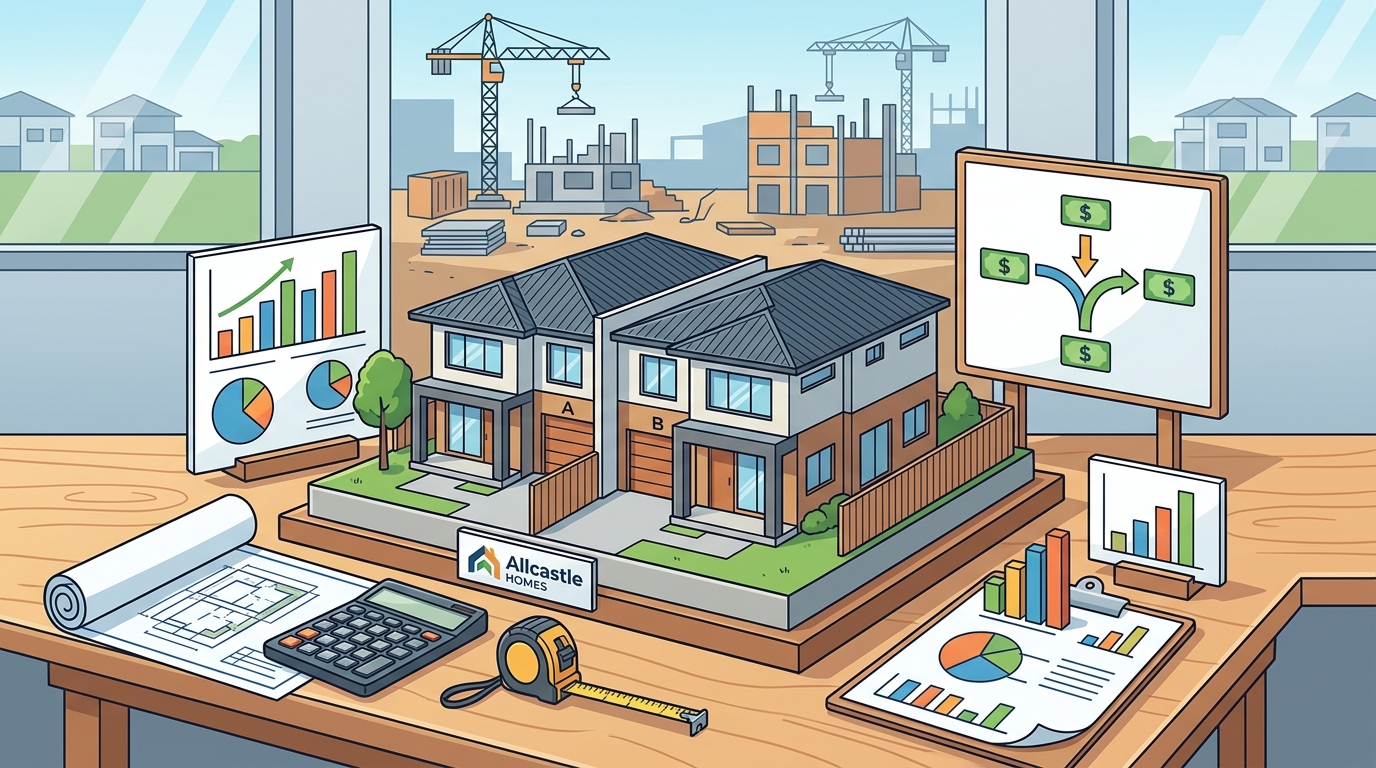
Debt Service Coverage Ratio (DSCR)
The DSCR measures the cash flow available to pay current debt obligations. For duplex investors, a DSCR greater than 1.0 is essential, indicating that the rental income covers the mortgage payments. Lenders typically require a DSCR of at least 1.2 to 1.25, providing a buffer for unexpected expenses or vacancies.
Cash Flow and Yield Analysis
Cash flow is the lifeblood of any rental property investment. Positive cash flow occurs when the total rental income exceeds all operating expenses, including mortgage repayments, insurance, maintenance, and property management fees. For duplexes, analyzing the yield of each unit separately is crucial, as rental rates can vary based on size, condition, and location within the block.
Gross Rental Yield
Gross rental yield is calculated by dividing the annual rental income by the property's purchase price. For example, if a duplex generates $40,000 in annual rent and costs $1,000,000 to acquire, the gross yield is 4%. While this metric is simple, it does not account for expenses, making it less accurate than net yield.
Net Rental Yield
Net rental yield provides a more realistic picture by subtracting operating expenses from the annual rental income before dividing by the property value. This metric is critical for understanding the true profitability of the investment. In high-cost markets like Sydney, net yields for duplexes often range between 3% and 5%, depending on the location and property condition.
Investors should also consider the potential for rent growth. According to industry reports, areas with strong infrastructure development, such as the Western Sydney Airport precinct, are projected to see significant rental demand growth. This potential for capital appreciation can enhance the overall return, even if immediate cash flow is modest.
Construction Costs and Budgeting
For new build duplexes, construction costs are a major component of the total investment. Understanding these costs is vital for accurate financial modeling. Construction prices vary based on materials, labor, site conditions, and design complexity.
Fixed Price Contracts
Opting for a fixed price contract, such as the Fixed Price 7-Star Home Offer provided by Allcastle Homes, can mitigate the risk of budget overruns. These contracts lock in the price, providing financial certainty and allowing for precise cash flow projections. This is particularly important in a volatile construction market where material costs can fluctuate.
Site Costs
Site costs, including earthworks, drainage, and connection fees, can significantly impact the budget. Sloping blocks or difficult soil conditions may require additional engineering solutions, increasing costs. Investors should conduct thorough site assessments before committing to a project to avoid unexpected expenses.
Allcastle Homes offers a range of home designs that are optimized for cost efficiency without compromising quality. Their Infinity Selection Centre allows investors to customize inclusions, ensuring that the final product aligns with both aesthetic preferences and budget constraints.
Tax Implications for Investors
Tax planning is a critical aspect of duplex investment strategy. Understanding the tax benefits and obligations can significantly impact net returns. Key considerations include depreciation, negative gearing, and capital gains tax.
Depreciation
Depreciation allows investors to claim deductions for the decline in value of the building structure and fixtures. For new duplexes, this can be a substantial tax benefit. A quantity surveyor can prepare a depreciation schedule, identifying both capital works deductions and plant and equipment deductions. This can result in significant tax savings in the early years of the investment.
Negative Gearing
Negative gearing occurs when the expenses of owning an investment property exceed the income it generates. In Australia, investors can offset these losses against their taxable income, reducing their overall tax liability. This strategy is often used by investors who anticipate capital growth, allowing them to defer tax payments until the property is sold.
Capital Gains Tax (CGT)
When a duplex is sold, any profit is subject to Capital Gains Tax. However, investors may be eligible for a CGT discount if the property is held for more than 12 months. Planning the timing of the sale can optimize the tax outcome. Consulting with a tax advisor is essential to navigate these complexities effectively.
Risk Assessment and Mitigation
While duplex investments offer attractive returns, they also come with specific risks. Identifying and mitigating these risks is crucial for long-term success.
Vacancy Risk
Vacancy risk is the possibility that the property will be unoccupied for a period. While duplexes mitigate this risk compared to single homes, it is still present. Diversifying tenants across different demographics and ensuring the property is well-maintained can help minimize vacancy periods.
Construction Risk
Construction delays and cost overruns are common risks in new build projects. Working with an experienced builder like Allcastle Homes, which has been building high-quality family homes for over 30 years, can reduce this risk. Their established supply chain and project management processes ensure timely delivery and budget adherence.
Market Risk
Market fluctuations can impact both rental income and property value. Economic downturns, changes in interest rates, and shifts in demographic trends can all affect the duplex market. Investing in areas with strong economic fundamentals and population growth can help mitigate this risk.
Key Takeaways
- Duplex investments offer dual rental income and 100% land ownership, accelerating equity growth in high-cost markets.
- Key financial metrics include ROI, Cap Rate, and DSCR, which provide a comprehensive view of investment performance.
- Positive cash flow is essential for covering mortgage repayments and operating expenses, with net yield being a more accurate metric than gross yield.
- Fixed price construction contracts, such as those offered by Allcastle Homes, provide financial certainty and mitigate budget overruns.
- Tax benefits like depreciation and negative gearing can significantly enhance net returns, but require careful planning.
- Risk mitigation strategies include diversifying tenants, working with experienced builders, and investing in growth corridors.
- Allcastle Homes' duplex designs are tailored to maximize investment potential and liveability.
Frequently Asked Questions
What is the average yield for a duplex investment in Sydney?
Average yields for duplexes in Sydney typically range between 3% and 5%, depending on the location and property condition. Areas with strong infrastructure development often offer higher growth potential.
How does negative gearing work for duplex investors?
Negative gearing allows investors to offset losses from the rental property against their taxable income, reducing their overall tax liability. This strategy is often used by investors anticipating capital growth.
What are the main risks associated with duplex investments?
Main risks include vacancy, construction delays, and market fluctuations. Mitigating these risks involves thorough due diligence, working with experienced builders, and investing in growth areas.
Can I get a loan for a duplex investment?
Yes, most major banks offer loans for duplex investments. However, lenders may require a higher deposit or stricter serviceability assessments compared to single-family homes.
How do I calculate the net rental yield of a duplex?
Net rental yield is calculated by subtracting annual operating expenses from the total rental income, then dividing by the property's purchase price. This provides a more accurate picture of profitability than gross yield.
What is the benefit of a fixed price contract for duplex construction?
A fixed price contract locks in the construction cost, providing financial certainty and protecting against budget overruns due to material or labor price increases.
How does depreciation benefit duplex investors?
Depreciation allows investors to claim deductions for the decline in value of the building and fixtures, resulting in significant tax savings, especially in the early years of the investment.
Start Your Investment Journey
Evaluating duplex investment returns requires a deep understanding of financial metrics, construction costs, and tax implications. By focusing on key indicators like ROI, Cap Rate, and net yield, investors can make informed decisions that align with their financial goals. Allcastle Homes provides the expertise and design excellence needed to build high-quality duplexes that maximize investment potential. Visit our home designs page to explore our range of duplex options, or contact our team to discuss your specific investment needs. Take the first step towards building a profitable future with Allcastle Homes.