
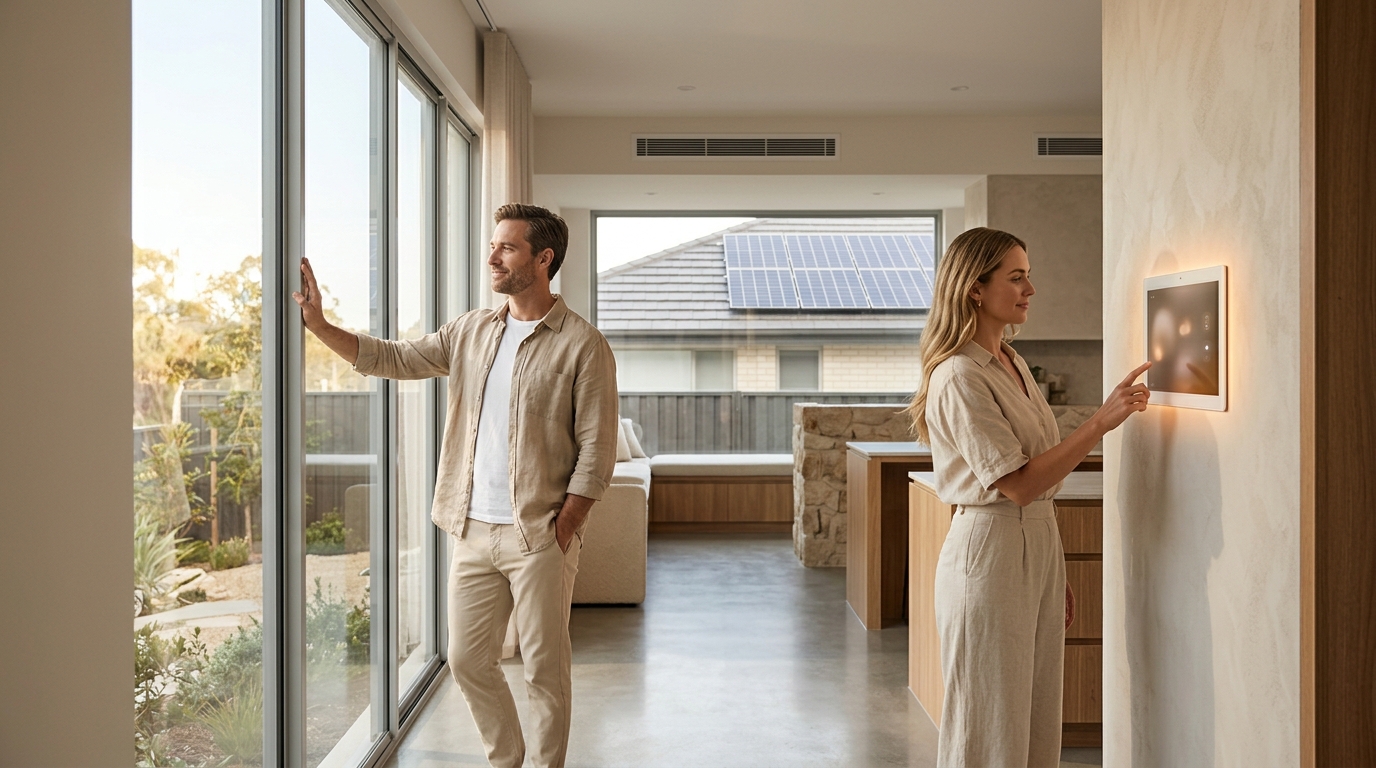
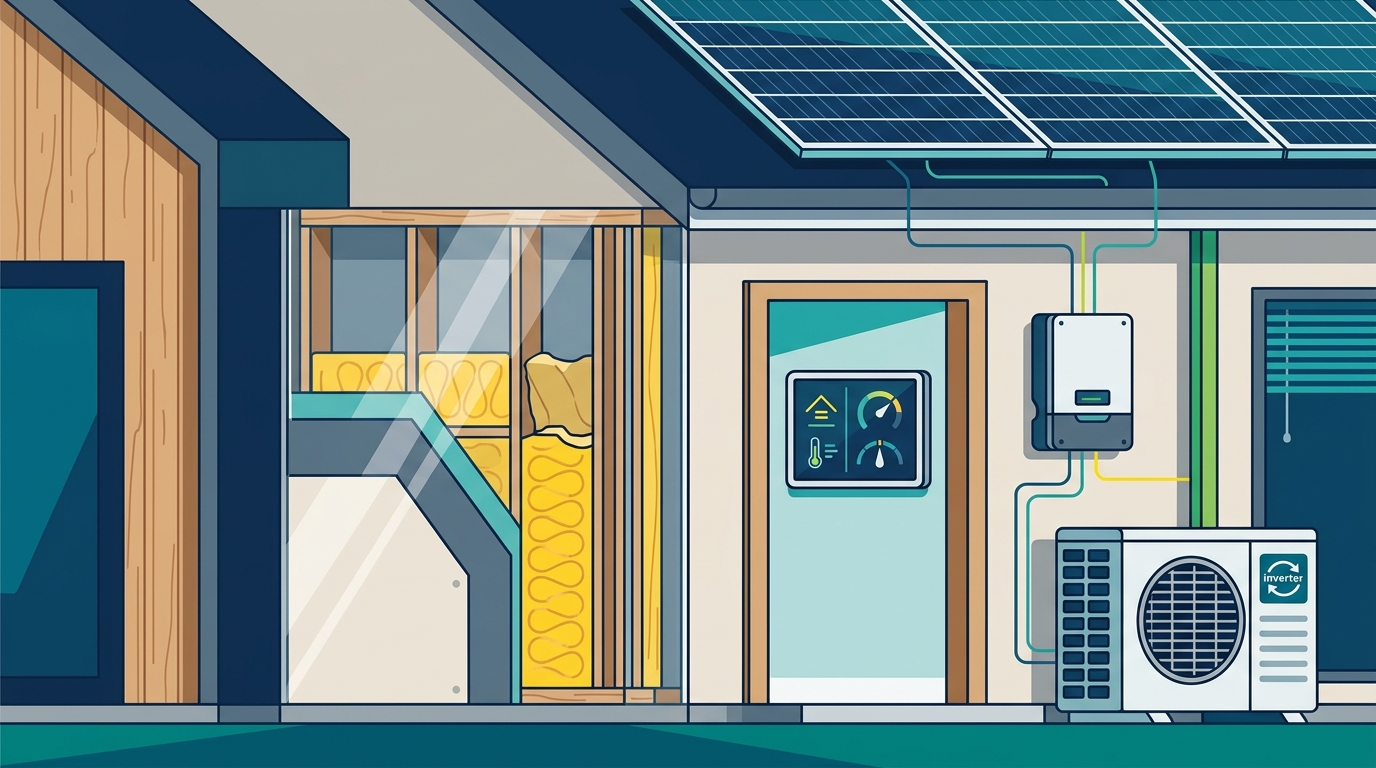
Look for high-performance insulation, ducted inverter air conditioning, solar panels, and smart home controls. These features reduce utility bills and improve comfort. Allcastle Homes integrates these elements into its Sydney display homes to help you visualize sustainable living.
Identify Insulation and Building Envelope Quality
Insulation is the foundation of an energy-efficient home. It prevents heat loss in winter and heat gain in summer. When touring a display, ask about the R-value of the wall, ceiling, and floor insulation. Higher R-values indicate better thermal resistance. Energy Star notes that upgrading insulation is one of the most effective ways to save energy. In a display home, you may not see the insulation directly, but you can feel the temperature consistency between rooms. A well-insulated home maintains a stable temperature without excessive heating or cooling. This stability is a key indicator of a high-performance building envelope.
Examine Heating and Cooling Systems
Check for Solar Power and Battery Storage
Solar roof panels harness the sun's energy to generate electricity. They can reduce your reliance on the grid and lower your monthly bills. In many modern display homes, solar panels are paired with a battery storage system. The battery stores excess energy generated during the day for use at night. This setup maximizes the value of your solar investment. Energy Star emphasizes the long-term comfort and financial benefits of energy-efficient homes. When touring, look for the size of the solar array and the capacity of the battery. A larger battery, such as a 5.8kWh unit, provides more backup power. Ask about the warranty on these components and the expected lifespan of the system.
Look for Smart Home Controls and Appliances
Smart home technology allows you to monitor and manage energy usage in real time. Smart thermostats learn your habits and adjust temperatures automatically. This optimization saves energy without sacrificing comfort. Energy Star advises choosing smart devices that offer detailed energy reporting. In a display home, test the smart controls. See how easy it is to adjust settings from a smartphone or tablet. Also, check the appliances in the kitchen and laundry. Look for energy-efficient models that use less water and electricity. These features contribute to a lower overall environmental footprint and reduced utility costs.
Assess Natural Light and Ventilation
Passive design elements play a crucial role in energy efficiency. Large windows allow natural light to enter, reducing the need for artificial lighting during the day. Proper orientation of the home can maximize solar gain in winter and minimize it in summer. Cross-ventilation helps cool the home naturally in mild weather. When touring a display, observe the flow of air and the amount of natural light in different rooms. A well-designed home feels comfortable without relying heavily on mechanical systems. This passive approach reduces energy consumption and enhances the living experience. Ask the builder about the design principles used to optimize natural light and ventilation.
Key Takeaways
- Insulation quality is a primary indicator of energy efficiency. Ask about R-values and feel for temperature consistency.
- Ducted inverter air conditioning provides consistent comfort with lower energy use than standard systems.
- Solar panels and battery storage reduce grid reliance and lower monthly electricity bills.
- Smart home controls allow for real-time monitoring and optimization of energy usage.
- Passive design features like natural light and ventilation reduce the need for mechanical heating and cooling.
- Check appliance efficiency ratings to ensure they contribute to overall energy savings.
Frequently Asked Questions
What is the most important energy efficient feature to look for?
Insulation is often the most critical feature. It forms the barrier that keeps heat in during winter and out during summer. Without good insulation, other systems work harder and consume more energy.
How do I know if a display home has good insulation?
You cannot see the insulation directly, but you can feel the temperature consistency between rooms. Ask the builder for the specific R-values used in the walls, ceiling, and floor. Higher R-values indicate better thermal performance.
Are solar panels worth it in a display home?
Yes, solar panels can significantly reduce your electricity bills. When paired with a battery, they allow you to store excess energy for use at night. This setup maximizes the financial and environmental benefits of solar power.
What is an inverter air conditioning system?
An inverter system adjusts its power output to match the temperature needs of the space. This results in more consistent comfort and lower energy consumption compared to standard on/off systems.
How can smart home technology save energy?
Smart thermostats and controls learn your habits and adjust settings automatically. They also provide detailed energy reporting, allowing you to identify and reduce waste. according to Smart Home Tips
Where can I see energy efficient display homes in Sydney?
Allcastle Homes offers several display locations across Sydney and the Central Coast. These homes feature a range of energy efficient upgrades and sustainable design elements.