
When you walk through a display home, the focus often shifts to aesthetics and layout. However, the most critical elements for your long-term comfort and wallet are the hidden energy efficiency features. These components determine how well your home retains heat in winter and stays cool in summer. By inspecting these specific systems, you can gauge the true quality of the build and the potential for lower utility bills.
1. Insulation Quality and Placement
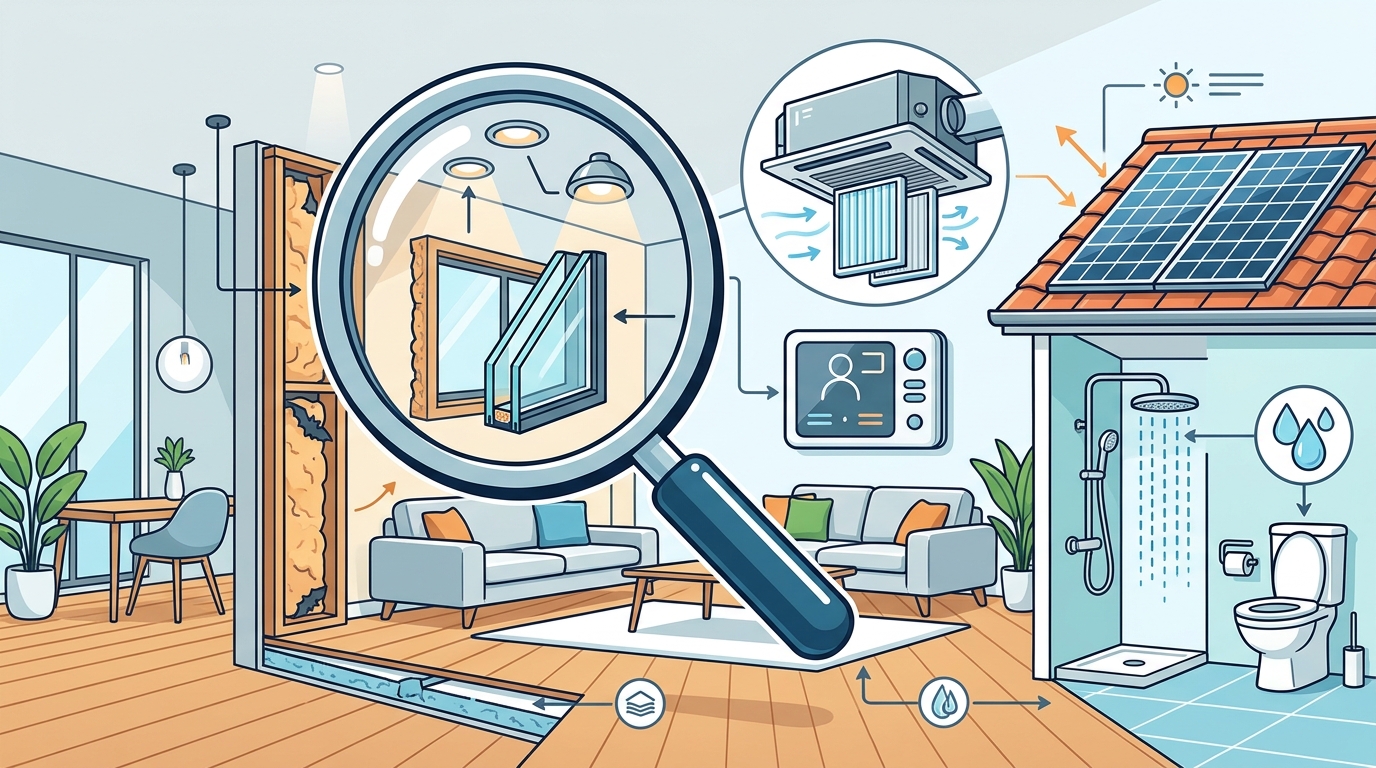
Check the thickness and coverage of insulation in the roof and walls. Insulation is the primary barrier against heat loss and gain. In a display home, ask the sales consultant to show you the insulation in the roof cavity or wall cavities. Look for high-density materials that cover the entire area without gaps. Proper insulation ensures that your heating and cooling systems do not have to work overtime to maintain a comfortable temperature.
2. Window Glazing and Sealing
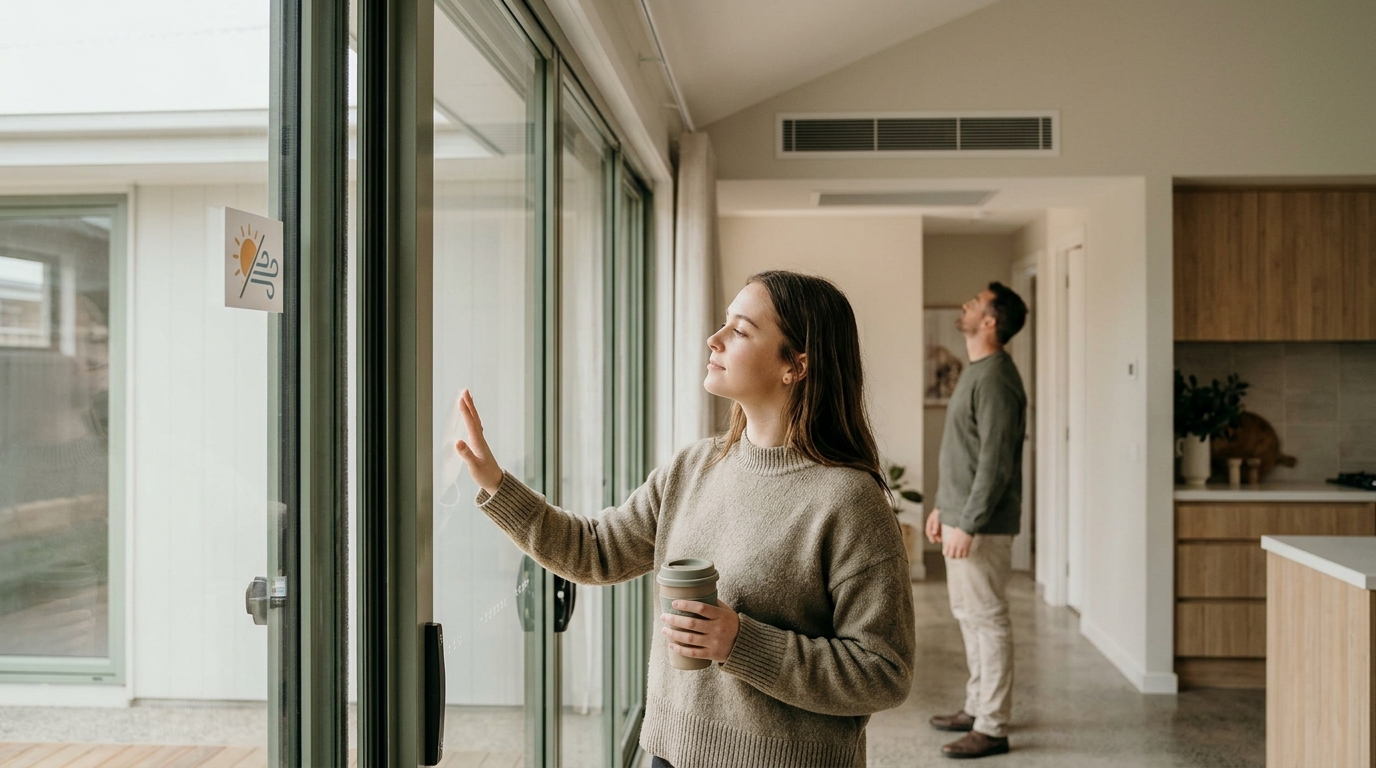
Inspect the window frames for double glazing and tight seals. Windows are a major source of energy leakage if not properly sealed. Check if the display home features double or triple glazing, which provides an air gap to reduce heat transfer. Also, look at the quality of the window frames and the seals around the edges. High-quality glazing helps maintain indoor temperatures and reduces noise, contributing to a more energy-efficient living environment.
3. Air Conditioning System Type
Identify whether the home uses a ducted inverter or split system. The type of air conditioning installed significantly impacts energy consumption. Ducted inverter systems adjust their power output to match the cooling or heating demand, which is more efficient than fixed-speed units. Ask about the energy rating of the specific model on display. Understanding the system type helps you estimate your future running costs and ensures the system is sized correctly for the home. according to Home Energy Displays
4. Solar Panel Capacity and Battery Storage
Verify the wattage of the solar array and the capacity of the battery. Many modern display homes come equipped with solar panels and battery storage systems. Check the total capacity of the solar array in kilowatts and the size of the battery in kilowatt-hours. A larger battery allows you to store more energy for use during the evening or at night. This setup can significantly reduce your reliance on the grid and lower your electricity bills over time.
5. Energy-Efficient Appliances
Look for high energy star ratings on included appliances. Appliances like refrigerators, dishwashers, and washing machines consume a significant amount of electricity. Check the energy star rating on the appliances included in the display home. Higher-rated appliances use less energy to perform the same tasks. Choosing a home with pre-installed efficient appliances can save you money and reduce your environmental footprint from day one.
6. Lighting Technology
Confirm that all lighting fixtures use LED technology. Lighting is one of the easiest areas to improve energy efficiency. Ensure that the display home is fitted with LED lights throughout, including in the garage, laundry, and outdoor areas. LEDs use significantly less energy than traditional incandescent or halogen bulbs and last much longer. This simple feature contributes to lower energy consumption and reduced maintenance costs.
7. BASIX Compliance and Star Rating
Review the BASIX certificate and the home's energy star rating. In New South Wales, all new homes must meet BASIX (Building and Energy Sustainable Indices) requirements. Ask for the BASIX certificate for the display home to see its predicted energy use and water efficiency. The star rating gives you a clear indication of how the home performs compared to the minimum standard. This document is a reliable way to verify the energy efficiency claims made by the builder.
Choosing the Right Features for Your Home
When selecting a home design, prioritize features that align with your lifestyle and local climate. If you live in a hotter region, focus on cooling efficiency and solar capacity. If you are in a cooler area, prioritize insulation and heating systems. By understanding these key features, you can make an informed decision that balances comfort, cost, and sustainability.
Frequently Asked Questions
What is the most important energy efficiency feature in a new home?
Insulation is generally considered the most critical feature because it forms the foundation of the building envelope. Without proper insulation, other systems like air conditioning and heating must work harder to maintain comfort, leading to higher energy bills.
How do I check the energy rating of a display home?
You can request the BASIX certificate from the sales consultant. This document provides a star rating that indicates the home's energy efficiency and water usage. It is a standardized way to compare different homes and designs.
Are solar panels worth it in a display home?
Solar panels can be a valuable investment, especially when paired with battery storage. They allow you to generate your own electricity, reducing your reliance on the grid. The value depends on your location, roof orientation, and energy consumption patterns.
What is a BASIX certificate?
A BASIX certificate is a legal requirement in New South Wales for new homes. It details the home's predicted energy use, water efficiency, and thermal comfort. It ensures that the home meets minimum sustainability standards.
Can I upgrade the energy efficiency of a display home?
Yes, many builders offer upgrade packages that include higher-rated appliances, additional insulation, or larger solar arrays. Ask about available upgrades and their costs when you are considering a specific design.
How do energy-efficient windows work?
Energy-efficient windows use double or triple glazing and low-emissivity coatings to reduce heat transfer. They help keep the home warm in winter and cool in summer, reducing the load on your heating and cooling systems.